In the previous article, we analyzed the economics of owning a CRM. Today, we’re opening the hood to look at the engineering decisions that allow us to build systems without “lag” or errors as the load grows.
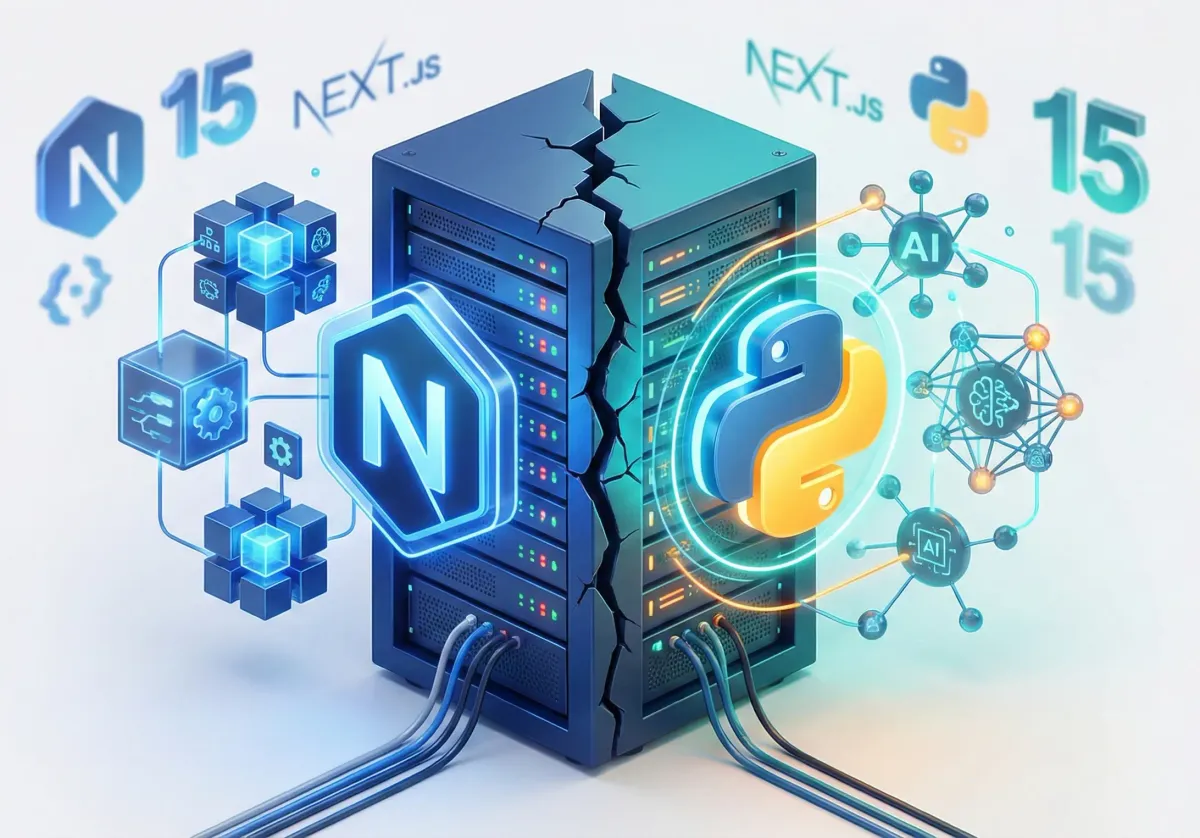
Building a reliable CRM requires choosing the right tools for specific tasks. We use Next.js on the frontend and a combination of NestJS + Python on the backend.
In this article:
- NestJS: When Strict Business Logic is Key
- Python: Implementing AI and Data Analytics
- Infrastructure: Docker, PostgreSQL, and Redis
- Architectural Flexibility: Growing with Your Business
1. NestJS: The Framework for Reliable Business
For 90% of CRM tasks where speed and data integrity are vital, we choose NestJS (Node.js).
- TypeScript: Eliminates errors during development, which is critical for handling financial data.
- Modular Structure: Allows the system to grow for years without turning into “spaghetti code.”
- Performance: Handles thousands of requests per second with minimal latency.
2. Python: When You Need “Superpowers”
Python is brought in when the CRM stops being just a table and becomes a smart assistant:
- AI Assistants: Automatic lead classification and call analysis.
- Complex Analytics: Predictive sales models (revenue forecasting based on historical data).
- Integrations: Fast scripting for data exchange with specialized third-party software.
3. Infrastructure and Stability
A CRM is the heart of a company. We build it on principles of isolation and security:
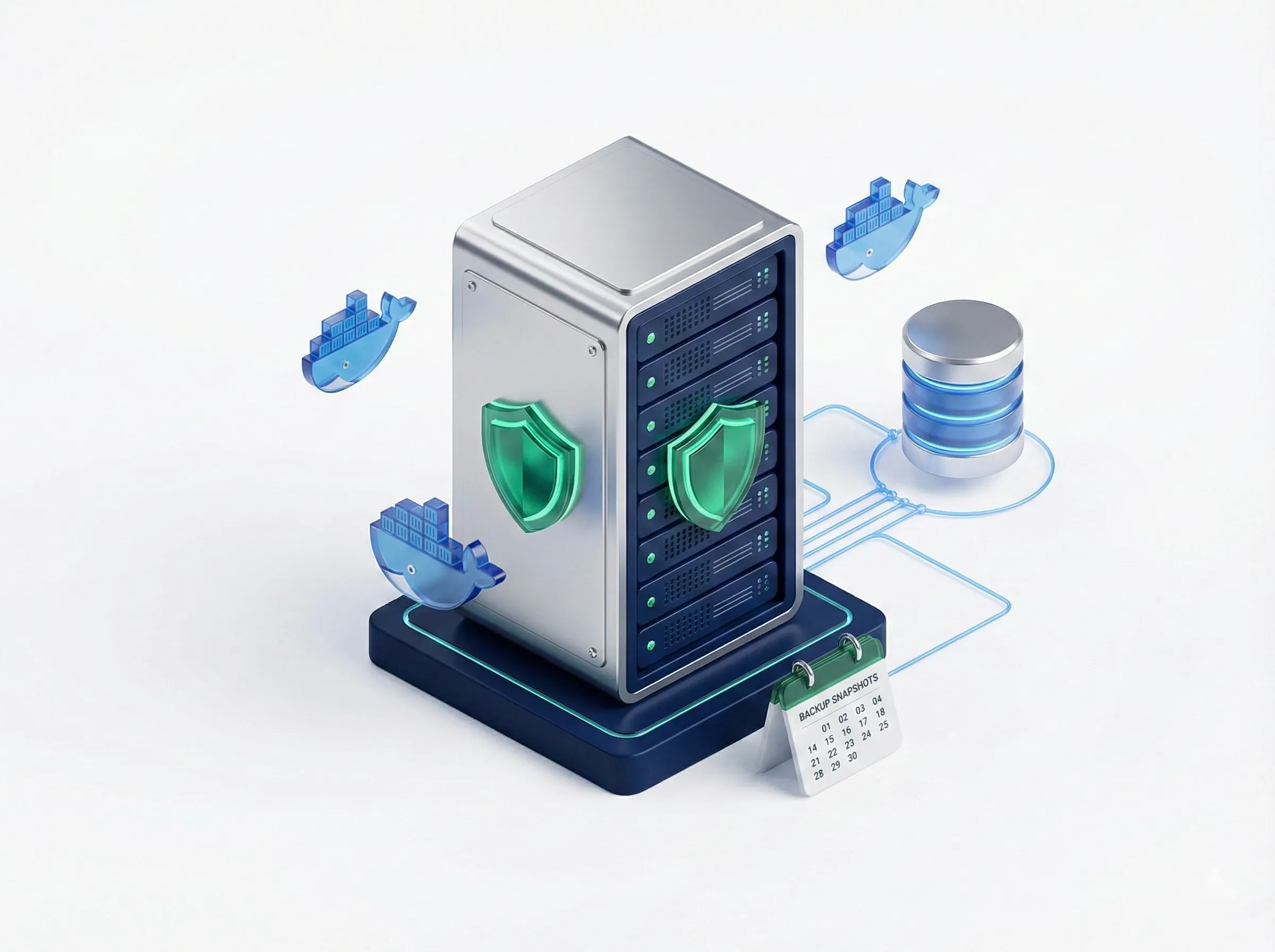
- Docker: Ensures stable operation on any server (a $10 VPS or office hardware).
- PostgreSQL: The industry standard for data storage quality.
- Redis: Caching so the interface “flies” even with a massive volume of deals.
Developer Insight: We describe the entire network using Infrastructure as Code (Terraform). This allows us to deploy a full copy of your system in a new location in just 15 minutes in case of an emergency.
4. Scalability
Custom development is not a “closed box.” Today we launch a base on NestJS, and tomorrow we connect a Python module for competitor price analysis. The system adapts to you, not vice versa. This is one of our key development principles.
Summary
The right tech stack is 70% of a project’s success. We choose tools that balance development speed with operational reliability.
Looking for a technical partner for CRM development? Message me on Telegram—we’ll discuss the architecture and select the optimal stack for your business processes.
Read also: CRM Security: Why Your Own Server is Better