For a company with 10–20 employees, a CRM should be a sharp scalpel, not a Swiss Army knife where 90% of the tools remain untouched. While corporations spend millions on Salesforce maintenance, small businesses can gain an edge through speed and precision.
Let’s break down the numbers to see how CRM development using Next.js and Python saves budget and outperforms the giants.
In this article:
- Direct Savings: SaaS Subscriptions vs. Your Asset
- Interface Speed: How Next.js Saves 500 Hours Yearly
- Scalability Without Per-User Fees
- Tech Stack: Docker, PostgreSQL, and Mobility
1. Direct Savings: SaaS vs. Your Asset
For a team of 20 people, popular cloud CRM subscriptions become a heavy line item:
- amoCRM: “Advanced” plan ($16/user) — that’s $3,840 per year.
- Bitrix24: Cloud for such a team costs roughly $1,000 per year, but the UI is cluttered with features that confuse staff.
Your Alternative: A custom CRM is your asset.
- Hosting: Modern VPS starts at $10/mo.
- Own Server: $0/mo if hosted on company hardware.
Key Insight: You stop paying for “seats.” When your staff grows to 50, cloud costs will triple, while your own system’s cost of ownership remains constant.
2. Interface Efficiency with Next.js
The main issue with mass-market CRMs is they are slow. Waiting 3-4 seconds for a client card to load in the cloud collectively steals up to 500 work hours per year from your team.
In a custom Next.js solution, we achieve an interface response of <0.6 sec.
- Only Necessary Fields: Employees see only what leads to a sale.
- No Visual Clutter: Clean design increases focus and reduces errors.
3. Tech Stack and Mobility
We follow modern development principles to ensure reliability:
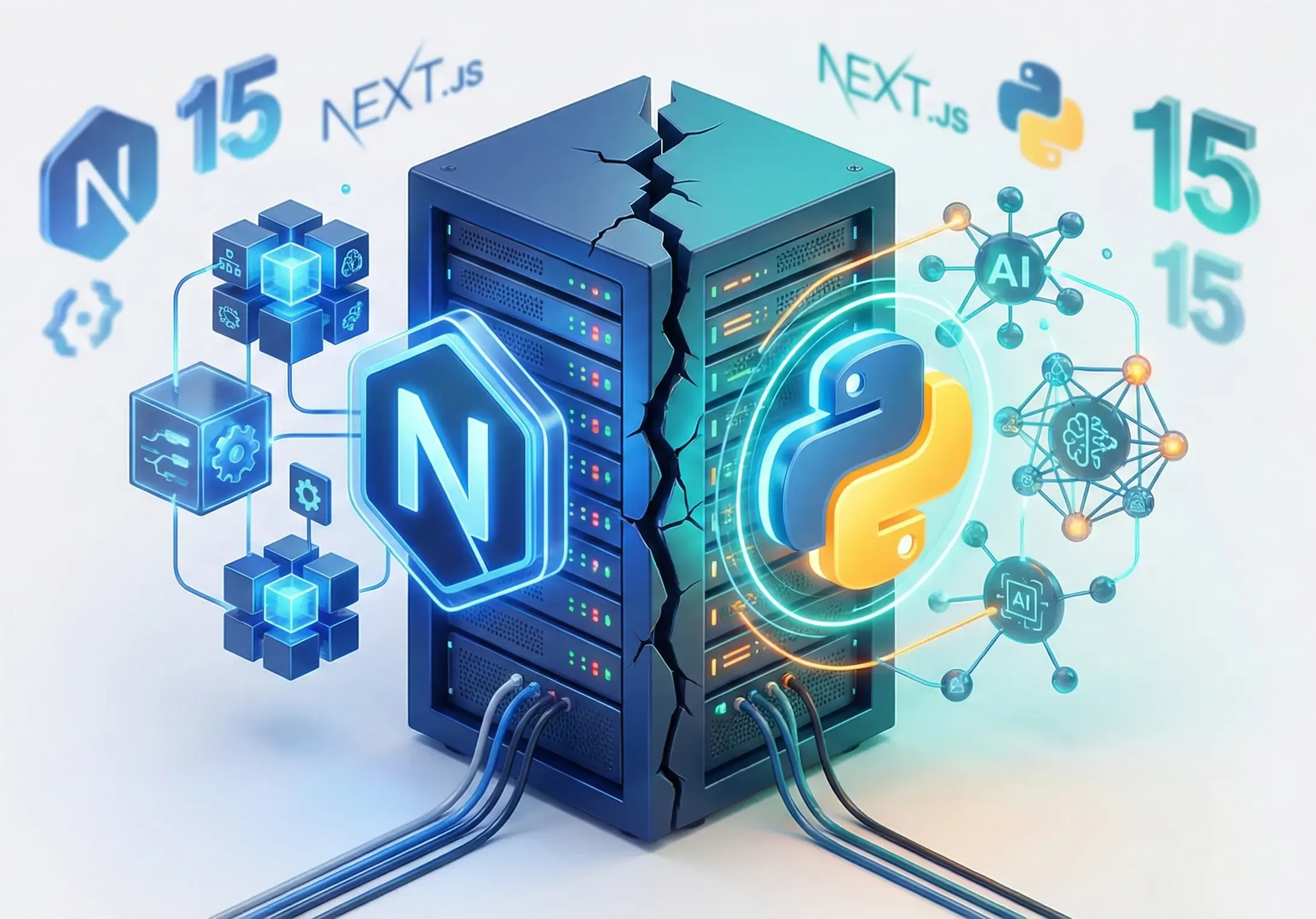
- Next.js + Python: Flexibility to add features without vendor lock-in.
- PostgreSQL: The industry standard for data integrity.
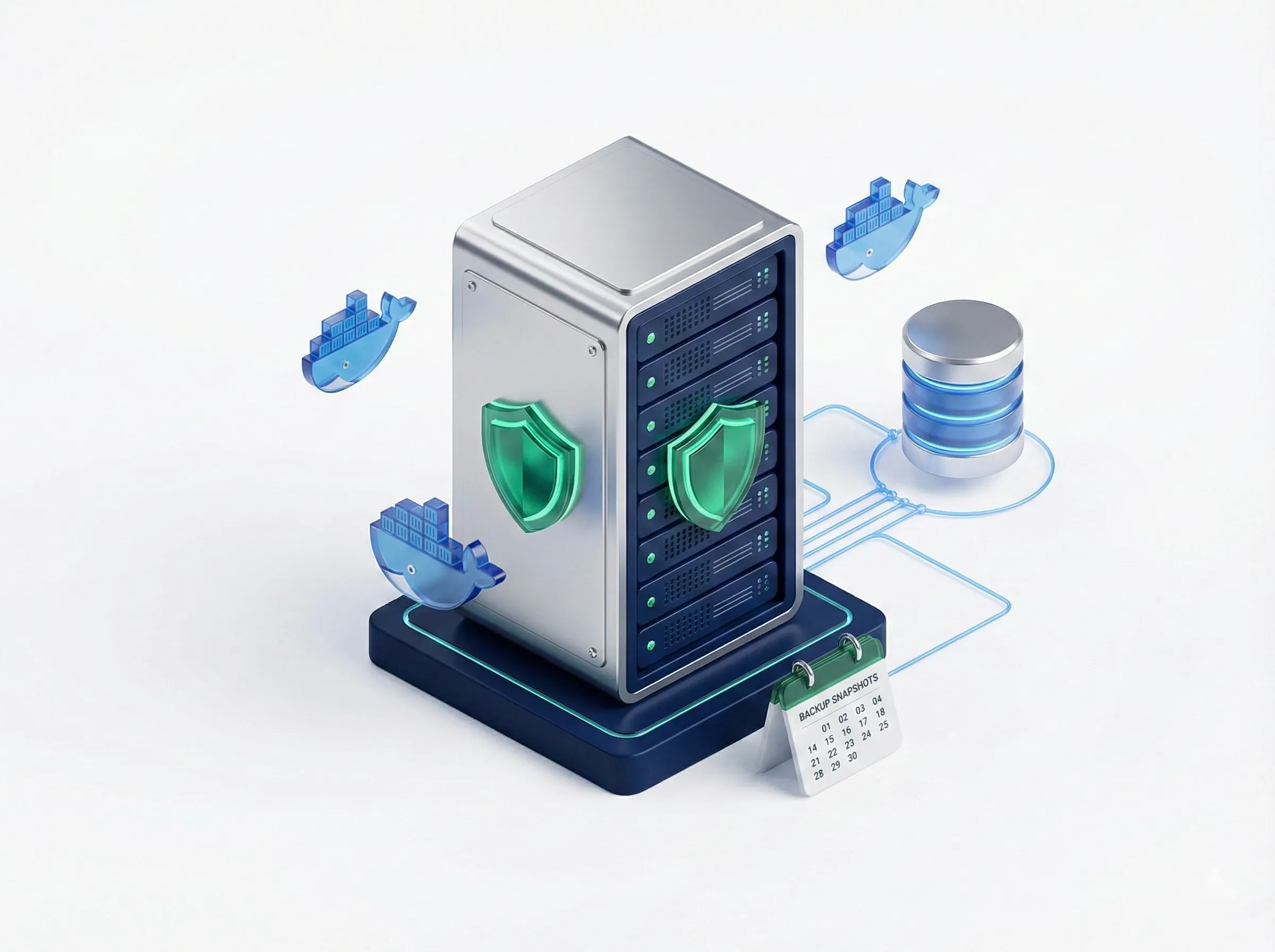
- Docker: Your CRM can be moved from one server to another in 15 minutes.
4. Return on Investment (ROI)
Developing a basic custom CRM pays for itself within 6–9 months. It’s a solid foundation you can enhance with AI assistants or complex analytics whenever needed.
Conclusion
A custom CRM isn’t a luxury; it’s an investment in operational efficiency. It’s an Enterprise-level tool without the noise and perpetual fees.
Want to calculate the ROI for your sales department? Message me on Telegram—I’ll prepare a custom ROI calculation based on your current SaaS spending.
Read also: Tech Stack for a Modern Custom CRM